


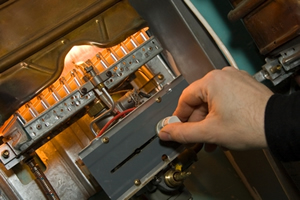
Boiler Repair Season in the Hudson Valley: Warning Signs by Month
If you live in Salisbury Mills, NY, the heart of boiler repair season starts before the first hard freeze and lasts through the final spring thaw. Knowing the month-by-month warning signs helps you act fast and avoid midwinter breakdowns, especially when you may need boiler repair on the coldest nights.
Why Boiler Repair Season Peaks In The Hudson Valley
Our region experiences sharp temperature swings, lake-fed moisture, and heavy snow, which can stress both older boilers and compact high-efficiency units alike. Homes near Beaver Dam Lake, Cornwall, and Washingtonville feel it first when early frosts hit, and systems that sat idle all summer struggle to wake up.
As storms accumulate, vents can clog, parts cycle more frequently, and minor issues escalate. That is why the season for repairs here typically ramps up in late September, spikes in December through February, and tapers into April with freeze-thaw problems lingering even as days get longer.
Month-By-Month Warning Signs That Your Boiler Needs Attention
September: Start-Up Surprises
First test fires often reveal early clues. Listen for new rattles, watch for brief plumes at the exhaust, and note any cold spots in rooms that were always cozy last winter.
- Unusual noises like rumbling, whistling, or rapid clicking at start-up
- Radiators are slow to warm in rooms near exterior walls or over unheated spaces
Never ignore a sharp metallic smell, burning odor, or a tripped carbon monoxide alarm. Early intervention prevents bigger problems once nightly lows drop into the 30s.
October: Early Cold Snaps
Short cold bursts around Salisbury Mills expose weak igniters and tired circulation pumps. Watch your thermostat response time and how evenly heat reaches the far bedrooms.
Common signs include short cycling, a rising energy bill without colder weather to match, or faint soot marks near the boiler door. Any sign of moisture on or around the boiler body deserves attention.
November: Heavy Leaf And Storm Season
When storms roll down the Hudson, high winds push debris toward exterior vents and chimneys. Condensing boiler drains can slow as temperatures dip, and that can trigger lockouts at the worst time.
Inside, you might notice gurgling in baseboards or steam radiators that are hot at the bottom but cool at the top. That pattern hints at trapped air or circulation issues that can snowball once deep cold arrives.
December: Holiday Load And Deep Cold
Guests, cooking, and laundry add moisture to the home, and the boiler runs longer to offset frequent door openings. Watch for pressure swings on the gauge, lukewarm radiators at the system’s far end, or a steady drip from the relief valve.
If the boiler seems to run nonstop yet the thermostat never quite reaches the setpoint, there may be a control, sensor, or combustion issue. In many Hudson Valley colonials and capes, you will feel this first in the upstairs bedrooms.
January: Deep Freeze Red Flags
January brings the longest runtimes and the loudest complaints from tired components. Bearing whine from a circulator, intermittent ignition, or flame loss errors can appear after long overnight cycles.
- Thumping or kettling sounds that grow louder as the water temp rises
- Radiators or baseboards that heat unevenly from room to room
- Boiler resets are needed more than once a week
If you notice staining around the flue pipe or a sudden smell you cannot place, shut the system down and call a pro. Safety comes first when combustion and venting are involved.
February: Freeze-Thaw Stress
Daytime melt and nighttime refreeze can block high-efficiency exhausts or stress masonry chimneys. In tight-lot neighborhoods near the Moodna Viaduct, drifting snow piles quickly and can block low vent terminations.
Inside signs include low system pressure in the morning, frequent topping off, or radiators that ping loudly when the heat kicks on. These are signals that parts are wearing down under peak seasonal load.
March: Late-Winter Issues
By March, scale or sludge buildup can show as slower recovery after a setback period. If you lower the thermostat overnight and it takes all morning to catch up, your boiler may be losing efficiency.
You may also catch a faint sulfur or metallic odor on damp days. Treat unusual smells as an urgent sign, especially if paired with headache or fatigue. Venting and combustion need a check right away.
April: Shoulder Season Signs
Warm afternoons and cold nights make boilers cycle more often. That on-and-off pattern can highlight sticking zone valves or aging thermostats that overshoot and undershoot by a few degrees.
Look for gentle hissing from baseboards, a weeping relief valve, or water marks below the boiler. These late-season clues are perfect timing to schedule service before next fall rush.
Hudson Valley storms can pile snow against sidewall vents, starving boilers of combustion air and risking carbon monoxide inside the home. Keep a clear area around terminations after every snowfall, and check again after plows pass. If a CO alarm sounds, leave the home and call for help immediately.
What Salisbury Mills Homeowners Notice First
Common patterns vary by home style. In split-level homes near Beaver Dam Lake, the lower level often runs cooler and reveals weak circulation early. In older farmhouses on back roads toward Blooming Grove, long piping runs show up as slow heat in far rooms and radiators that never seem fully hot.
Pay attention to utility bills in months like October and March. A noticeable increase without a similar drop in outdoor temperature is a classic early warning that the boiler is working harder to deliver the same comfort.
When To Call An HVAC Contractor Right Away
Some signals mean it is time to bring in a licensed pro now. If you smell gas, see soot, hear loud banging, or the boiler shuts down repeatedly, do not wait for warmer weather. A skilled technician from a Hudson Valley HVAC contractor will inspect combustion, venting, and circulation to protect your home and family.
Other urgent triggers include recurring error codes, water on the floor near the boiler, and a pressure gauge that rides low or swings wildly. Even if the heat still works, these are signs of trouble building behind the scenes.
How Perfect Comfort, Inc Keeps Your Heat Reliable All Winter
With the Hudson River just east and higher elevations west, Salisbury Mills systems see big swings that punish older boilers and newer high-efficiency models in different ways. Perfect Comfort, Inc understands those patterns and checks the parts that fail most in our area’s season, from igniters and flame sensors to circulators and controls.
If you suspect an issue, schedule professional boiler repair before the next cold snap. A timely visit reduces surprise breakdowns and helps keep every room comfortable during long January nights.
Simple Scheduling Timeline For A Stress-Free Winter
Use this quick timeline to stay ahead of the weather without getting into DIY territory. It keeps your household plan clear and helps you avoid peak rush times.
- Late September: Pay attention to start-up noises and uneven heat as nights cool.
- October to November: Watch for short cycling, new smells, or rising bills as storms arrive.
- December to February: Treat lockouts, leaks, or pressure swings as urgent.
- March to April: Address slow recovery and lingering cold rooms before next season.
Families in Salisbury Mills, Cornwall, New Windsor, and Washingtonville know that once the first true cold wave hits, appointment slots go fast. Getting on the calendar early keeps your home comfortable and your plans flexible.
Month-End Checkpoints You Can Observe Without Tools
Each month, make a quick, hands-off observation list so you can describe symptoms clearly when you call. That simple habit helps your technician find problems faster and protect your system.
- Look and listen: new sounds, odors, or visible moisture near the boiler
- Comfort notes: rooms that lag, radiators that stay cool at the top, or slow warm-ups
- System behavior: frequent resets, odd thermostat swings, or long nonstop runtimes
If anything feels unsafe, turn the system off and call right away. Clear notes on what you saw and when you saw it can speed up the visit and reduce return trips.
Ready To Stay Warm In Salisbury Mills, NY?
Winter in the Hudson Valley does not wait, and neither should essential heat. Whether you are near Beaver Dam Lake or along the Moodna Creek, a month-by-month eye on warning signs keeps small boiler issues from turning into long, cold nights.
For dependable help all season, count on Perfect Comfort, Inc. From start-up checks to midwinter troubleshooting, our team treats your comfort like our own.
Need fast, reliable help today? Call (845) 497-1005 or schedule trusted service with our local team through boiler repair.




Recent Articles
-
Salisbury Mills Heat Pump Repair: Cold Weather Troubleshooting and Performance Tips
When winter hits Salisbury Mills, NY, a dependable heat pump is the difference between a cozy night and a cold one. If you are searching for Salisbury Mills heat pump repair, this guide explains what frigid weather does to your system, the signs of trouble, and how a licensed HVAC contractor restores safe, efficient heat…
Read More
Whole-House Air Cleaners for New York Homes: HEPA vs. UV Air Purifiers
When windows stay shut through long New York winters, dust, pet dander, and fine particles linger indoors. A whole house air cleaner New York homeowners trust can capture these pollutants across every room while your system runs…
Read More